What makes the difference between a city where people merely survive and a city where people genuinely live? The answer is not in the height of the skyscrapers, but in what lies between them.
As we design the buildings of the future, we often forget that people as users are biologically designed for the forests, not for concrete. Landscape architecture today is no longer a question of aesthetics; it has become a matter of public health and defense against climate extremes. If landscape architecture is still seen as merely “planting trees around a building,” it is time to look deeper.
The Human: Social, but Primarily Natural
We live in an era of accelerated urbanization. Many world cities today are concrete jungles, and our contact with the earth, sky, and greenery is reduced to controlled, minimal interactions. We forget a crucial biological fact: the human being is a social, but inextricably natural being.
Our brains did not evolve for constant exposure to grey surfaces, artificial light, and noise. The concept of biophilia, our innate need to connect with nature, explains why access to greenery is not a luxury but a biological necessity. Numerous studies show that even visual contact with natural elements significantly reduces stress levels and improves cognitive performance. Landscape architecture, in this sense, directly supports mental wellbeing in urban environments.
Green Spaces and Quality of Life
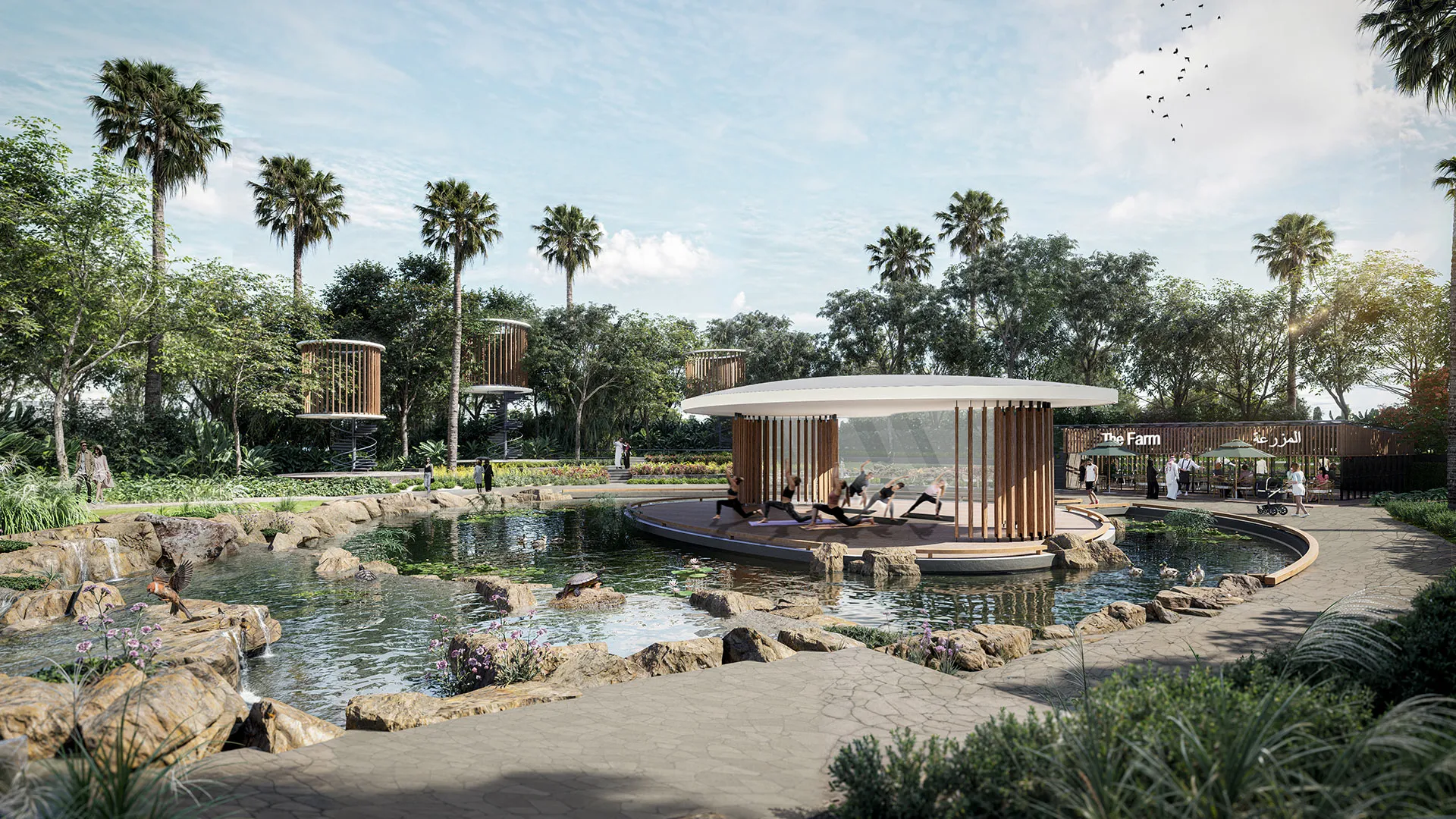
Well-designed landscapes influence everyday life across all age groups. For children, green spaces provide safe environments for play, exploration, and physical development – spaces that stimulate creativity while supporting motor skills. For families and the elderly, shaded walkways, accessible paths, and quiet seating areas encourage movement, social interaction, and a sense of belonging.
Urban greenery also strengthens social cohesion. Parks, courtyards, and shared outdoor spaces become meeting points that reduce isolation and foster community life. Cities that invest in professionally planned green systems consistently report lower levels of anxiety, depression, and stress-related illnesses.
Vienna, frequently ranked among the cities with the highest quality of life, is a strong example. Its success is closely tied to long-term planning that ensures every resident has access to parks, gardens, and productive green spaces. These environments do not just improve daily comfort – they actively contribute to public health.
The benefits extend beyond mental wellbeing. Green buffers filter air pollutants, mitigate noise, and promote physical activity, reducing the risk of respiratory and cardiovascular diseases. Landscape architecture functions as preventive healthcare embedded into the city itself.

Green Infrastructure as Climate Defense
Beyond human comfort, landscape architecture plays a critical role in responding to climate change. Heatwaves, flooding, and extreme weather events are no longer future scenarios – they are present-day realities that cities must adapt to.
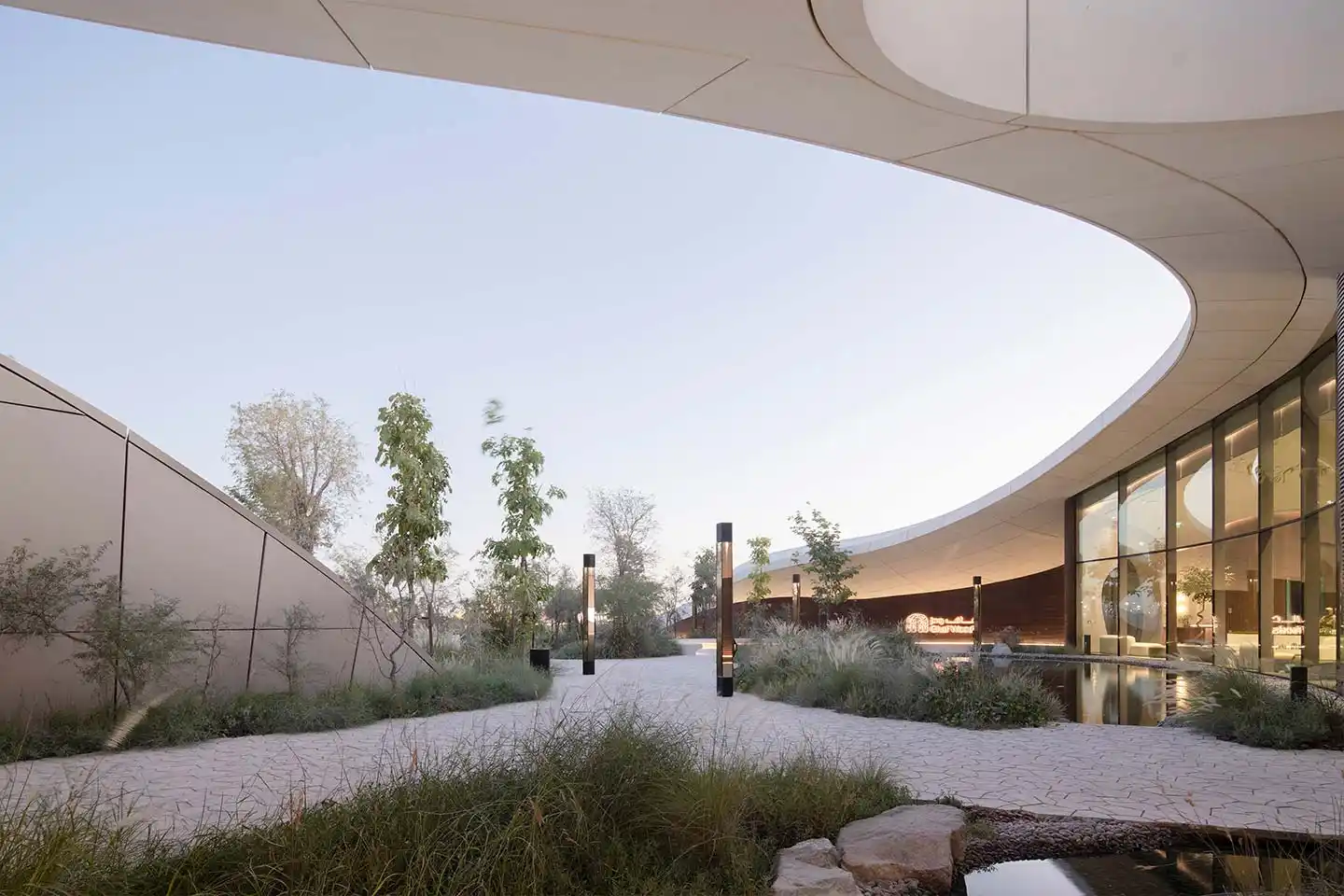
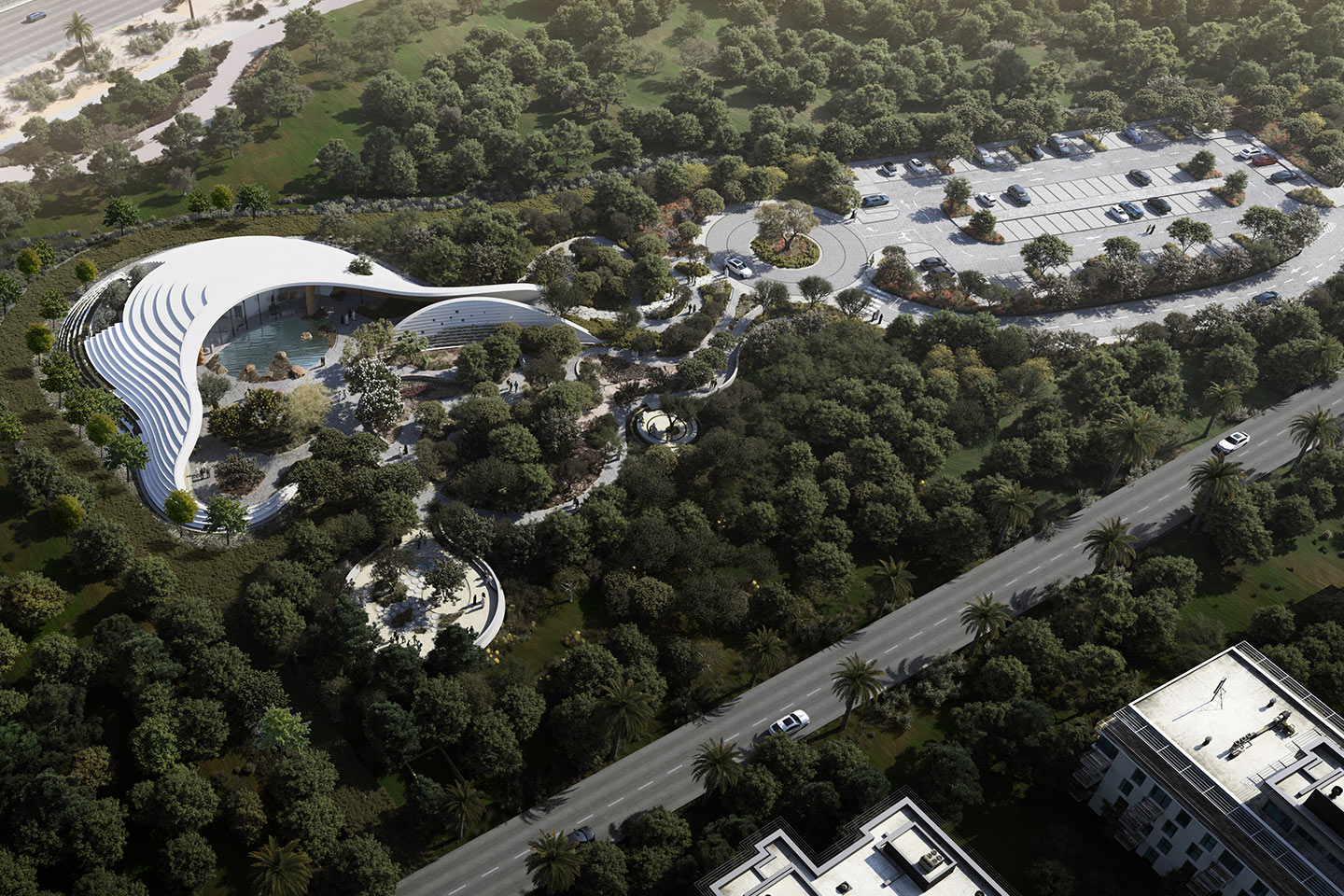
Today’s landscape architect operates as an ecosystem designer. Trees are not planted only for visual relief, but for shade, temperature regulation, and carbon absorption. Permeable surfaces, bioswales, and planted corridors manage stormwater and reduce the pressure on urban drainage systems. Concepts such as the “Sponge City” approach demonstrate how landscapes can absorb, store, and slowly release rainwater, minimizing flood risk while replenishing groundwater.
In hot and arid regions, these strategies are essential. Shaded outdoor environments, water-sensitive planting, and carefully designed microclimates directly influence how usable and resilient urban spaces remain throughout the year.
At STUDIOI, an integrated design approach allows outdoor spaces to perform environmentally, socially, and technically – supporting long-term resilience rather than short-term visual impact.
Designing Landscapes with Purpose
As climate pressures increase and cities grow denser, environmental design can no longer be treated as a finishing layer. Landscape architecture shapes microclimates, protects public health, and future-proofs urban developments.
At STUDIOI, we approach landscape architecture as an essential part of the design process – integrated from the earliest stages and developed in close collaboration with architects, engineers, and planners. Every outdoor space is considered a living system, designed to perform environmentally, socially, and over time.
It is not decoration. It is infrastructure. Through every thoughtfully designed landscape, we invest in healthier communities, more resilient cities, and places that genuinely support life.
Because in the end, we do not simply plant trees – we design environments that allow people, nature, and cities to thrive together.
Author:
Amila Gadzo Milavic, Senior Landscape Architect
Related Articles

Inside STUDIOI: Lighting Design
Jelena Kadric, Head of Lighting (Group) at STUDIOI, leads a Sarajevo-based team…

Inside STUDIOI: Interior Design
Go inside STUDIOI's Interior Design department with Head of Interior Design…

HVAC for Comfort and Sustainability
Indoor environmental quality is essential for our health, productivity, and…